Fiberglass vs Carbon Fiber Paddle: Which for Beginners?
It is one of the most common questions B2B buyers ask when building out a pickleball paddle range: fiberglass or carbon fiber for the beginner tier?
The honest answer is not simply "fiberglass is cheaper." The real answer involves understanding what beginners actually need from a paddle, how each material delivers against those needs, and what the stocking decision means for your margins, customer satisfaction, and repeat business.
This article gives you the full comparison — material by material, use case by use case — so you can make the sourcing decision with confidence.
What the Two Materials Actually Are
Before the comparison, a quick grounding in what each material delivers:
Fiberglass (glass fiber) is a woven composite material with moderate stiffness and natural flex. The flex absorbs energy on impact and redistributes it across the face, creating a forgiving, consistent response. It is the dominant material in the entry-level and recreational paddle segment globally.
Carbon fiber is a high-modulus woven material significantly stiffer than fiberglass. It transmits energy more directly, producing faster ball response and sharper feedback. It is the standard in intermediate and advanced paddles — and increasingly in premium beginner paddles marketed on brand perception rather than functional fit.
Both are durable. Both are lightweight. The difference is in how they handle energy — and that difference matters enormously for a beginner.
Head-to-Head: Fiberglass vs Carbon Fiber for Beginners
Ball Control and Feel
| Factor | Fiberglass | Carbon Fiber |
|---|---|---|
| Sweet zone size | Larger (flex expands effective contact area) | Smaller (stiffness creates sharper edges) |
| Off-center forgiveness | High — flex compensates for mishits | Low — mishits transmit as jarring feedback |
| Ball feedback clarity | Soft, consistent | Sharp, precise |
| Ideal for | Players learning contact and placement | Players optimizing shot placement |
Verdict for beginners: Fiberglass. A beginner's primary need is to make consistent contact and enjoy the game. The larger sweet zone and softer response of fiberglass delivers that. Carbon fiber rewards skill that beginners have not yet developed.
Vibration and Arm Comfort
| Factor | Fiberglass | Carbon Fiber |
|---|---|---|
| Vibration on impact | Low (absorbed by face flex + core) | Higher (stiffer face transmits more to handle) |
| Arm fatigue over 60 min | Minimal with PP honeycomb core | More noticeable, especially off-center hits |
| Risk of discomfort | Low | Moderate for beginners with inconsistent form |
Verdict for beginners: Fiberglass. Arm fatigue and discomfort are the primary reasons beginners quit a new sport early. A fiberglass paddle paired with a PP honeycomb core significantly reduces this risk, keeping new players engaged longer.
Weight and Maneuverability
Both materials can be engineered to similar weights at the beginner price point. A quality fiberglass beginner paddle lands at 220–240g. Carbon fiber paddles at comparable construction quality can achieve the same.
Weight is not the differentiator here — construction and core are. At the entry level, fiberglass consistently delivers the better weight-to-vibration-damping ratio.
Durability Through Beginner Use
Beginners are harder on equipment than experienced players. Dropped paddles, edge collisions, and improper storage are all common.
| Factor | Fiberglass | Carbon Fiber |
|---|---|---|
| Edge impact resistance | High | High, but carbon weave can delaminate on sharp impact |
| Surface abrasion | Resists scratching well | Scratches more visibly on textured surfaces |
| Face delamination risk | Low at quality construction | Higher if edge protection is inadequate |
| Overall durability rating | High for beginner use patterns | High for careful adult use; moderate for beginners |
Verdict for beginners: Fiberglass has a practical durability advantage when the end user is a beginner who is less careful with equipment.
Retail Price and Margin
| Factor | Fiberglass | Carbon Fiber |
|---|---|---|
| Typical factory price range | Lower | Higher (15–40% premium depending on weave grade) |
| Typical retail price range | $35 – $80 | $70 – $200+ |
| Beginner buyer conversion zone | $40 – $75 (highest volume) | $70–$100 (some crossover, but beginners hesitate) |
| Margin flexibility | Higher at entry-level retail price | Compressed unless positioned as premium |
Verdict for B2B buyers: Fiberglass allows you to price competitively in the highest-volume segment of the market ($40–$75 retail) while maintaining healthy margins. Carbon fiber at the beginner level often means either compressing margin to compete on price or asking beginners to pay a premium they are not confident justifies itself.
When Carbon Fiber Does Make Sense for Your Range
Carbon fiber is not the wrong answer — it is the wrong answer for beginners specifically. There are clear cases where stocking carbon fiber paddles alongside your fiberglass line adds value:
Recreational players who progress quickly: Players who play 3+ times per week within their first three months will outgrow a fiberglass paddle. A clear upgrade path in your catalog captures that second purchase.
Gift buyers: Carbon fiber paddles photograph better and carry a higher perceived value. Gift purchasers often prioritize presentation over performance fit.
Branded premium tier: If you are building a private label range, a carbon fiber SKU at the top of the line anchors the price perception of your entire catalog.
Club and league supply: Organized clubs and recreational leagues often want intermediate paddles even for newer members to avoid frequent upgrades.
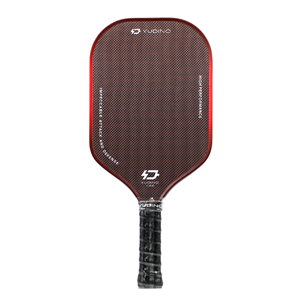
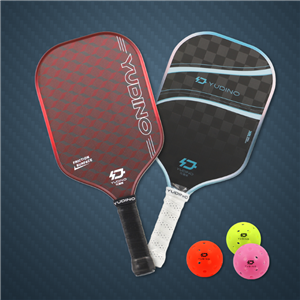
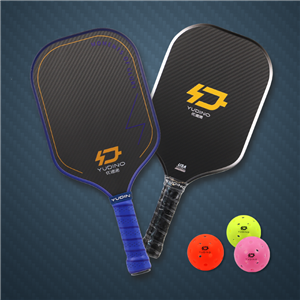
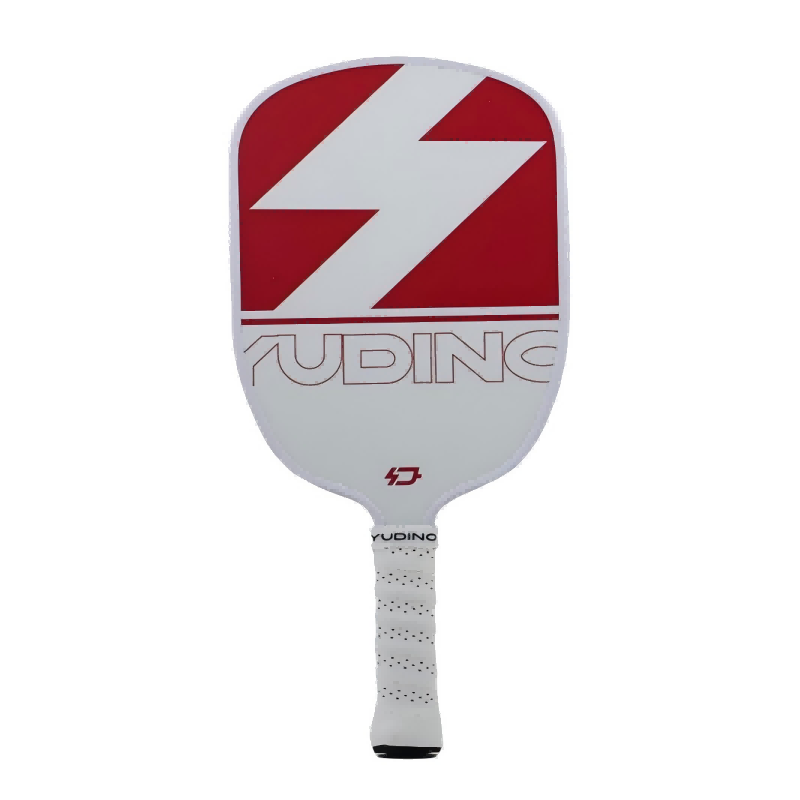
Yudino produces both fiberglass and carbon fiber paddle lines. Our 3K Pickleball Paddle, 12K Pickleball Paddle, and 18K Pickleball Paddle ranges allow you to build a complete lineup — beginner fiberglass entry point through advanced carbon fiber — from a single supplier.
The Recommended Stocking Strategy for B2B Buyers
Based on the market data and material comparison above, here is how we recommend structuring a beginner-to-intermediate paddle range:
| Tier | Material | Target User | Suggested Retail | Yudino Model |
|---|---|---|---|---|
| Entry (Beginner) | Fiberglass | First-time players, casual recreational | $40 – $70 | Fiberglass Paddle for Beginners |
| Entry (Women) | Fiberglass | Women beginners, lighter swing preference | $40 – $70 | Fiberglass Paddle for Women |
| Entry (Youth) | Fiberglass | Junior programs, school sports | $35 – $60 | Junior Pickleball Paddle |
| Mid (Upgrade) | Carbon Fiber (3K) | Players at 3–6 months experience | $75 – $120 | 3K Pickleball Paddle |
| Advanced | Carbon Fiber (12K/18K) | Competitive and club players | $120 – $200 | 12K / 18K |
This structure gives you a natural upgrade path — a beginner who buys your fiberglass entry-level paddle has a clear next purchase within your catalog.
Summary: Fiberglass Wins the Beginner Tier
| Criteria | Fiberglass | Carbon Fiber |
|---|---|---|
| Sweet zone forgiveness | ✓ Better | — |
| Vibration damping | ✓ Better | — |
| Beginner arm comfort | ✓ Better | — |
| Durability for beginners | ✓ Better | — |
| Entry-level margin | ✓ Better | — |
| Performance at advanced level | — | ✓ Better |
| Premium brand positioning | — | ✓ Better |
For the beginner segment, fiberglass is the right material. The data supports it, the market confirms it, and your customers will feel it in their first session.
Related Reading
Fiberglass Pickleball Paddle for Beginners: 2026 Guide
Why Choose a Fiberglass Pickleball Paddle as a Beginner
Browse All Fiberglass Pickleball Paddles
Get Wholesale Pricing on Both Lines
Yudino manufactures fiberglass and carbon-fiber pickleball paddles at our factory in Dandong, Liaoning, China. USA Pickleball certified. OEM and private label available across all product lines.
WhatsApp: +86 150 0404 8823
Email: 18204151313@163.com
Phone: +86-18604151313
View the Full Fiberglass Paddle Range →
Yudino (Liaoning) Sports Goods Co., Ltd. | Dandong, Liaoning, China USA Pickleball Certified | Annual Capacity: 50,000+ units | OEM & Private Label Available