Pickleball Paddle Core Guide: Polymer vs Nomex vs Aluminum Explained
When evaluating pickleball paddles, many buyers focus on surface materials like carbon fiber or fiberglass. However, one of the most critical factors affecting performance, durability, and market positioning is often overlooked:the paddle core
For distributors, clubs, and retailers, understanding core materials is essential—not just for performance, but also for product positioning, pricing strategy, and customer satisfaction.
This guide compares the three main pickleball paddle core types—polymer, Nomex, and aluminum—and explains which one is best for different markets.
Quick Answer: Which Paddle Core Is Best?
If you need a quick recommendation:
Polymer core → Best overall choice for most markets
Nomex core → Best for power-focused players
Aluminum core → Niche option with limited modern demand
In today’s market, polymer honeycomb cores dominate over 80% of paddle production due to their balance of performance and comfort.
What Is a Pickleball Paddle Core?
The paddle core is the internal structure sandwiched between the paddle faces. Most modern paddles use a honeycomb structure, which provides:
lightweight performance
shock absorption
structural stability
The core directly affects:
power output
control and touch
vibration feedback
durability
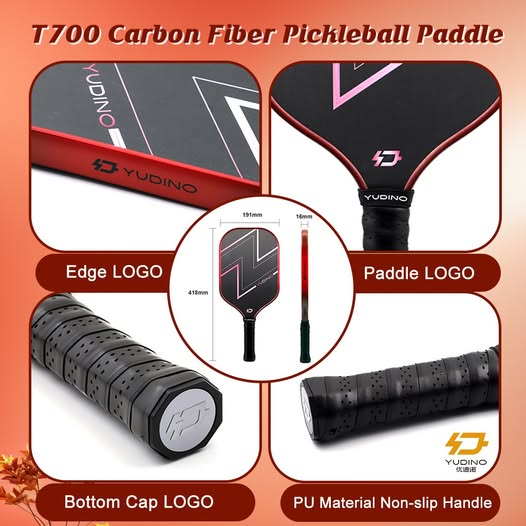
Polymer (Polypropylene) Honeycomb Core
Polymer cores are the industry standard in modern pickleball paddles.
Key Characteristics
soft and quiet feel
excellent vibration dampening
balanced power and control
lightweight structure
Performance Insight
Polymer cores absorb more impact energy, which makes them ideal for:
control-based play
consistent shot placement
extended rallies
B2B Perspective
For distributors and retailers, polymer paddles offer:
lower return rates (more forgiving for beginners)
wider customer compatibility
stable product positioning (mid to high-end)
This is why most mainstream brands prioritize polymer core paddles.
2. Nomex Honeycomb Core
Nomex is a harder and more rigid core material originally used in aerospace applications.
Key Characteristics
high stiffness
strong rebound effect
loud impact sound
very durable structure
Performance Insight
Nomex cores produce:
more power
faster ball response
less energy absorption
However, they also generate more vibration, which can reduce comfort.
B2B Perspective
Nomex paddles are suitable for:
performance-focused product lines
niche markets with experienced players
But they may also lead to:
Higher user fatigue complaints
narrower target audience
Best used as a supplementary SKU, not a core product line.
3. Aluminum Honeycomb Core
Aluminum cores were more common in early paddle designs but are now less widely used.
Key Characteristics
lightweight
soft feel
moderate control
Limitations
lower durability compared to polymer
less consistent performance
limited demand in modern markets
B2B Perspective
Aluminum paddles are typically:
entry-level products
price-sensitive market options
However, due to shifting market expectations, demand for aluminum core paddles has declined significantly.
Polymer vs Nomex vs Aluminum: Key Differences
| Feature | Polymer Core | Nomex Core | Aluminum Core |
|---|---|---|---|
| Power | Moderate | High | Moderate |
| Control | Excellent | Moderate | Good |
| Vibration | Low | High | Moderate |
| Durability | High | Very High | Moderate |
| Noise | Quiet | Loud | Medium |
| Market Demand | Very High | Medium | Low |
Which Core Is Best for Your Market?
Choosing the right core depends on your target customers.
For Retail & Supermarkets
Polymer core is the best choice
suits beginners and casual players
easy to sell
low complaint rate
For Clubs & Training Centers
Polymer + limited Nomex mix
polymer for general use
Nomex for advanced players
For Brands & Distributors
Polymer as main product line
scalable production
consistent quality
suitable for private label
Market Trend: Why Polymer Dominates in 2026
The global pickleball market has shifted toward:
better comfort
reduced vibration
improved control
Polymer cores meet all these requirements, making them the preferred choice for:
mainstream brands
OEM manufacturers
large-volume buyers
From Design to Manufacturing
Producing high-quality paddle cores requires:
consistent honeycomb structure
precise bonding with paddle faces
strict control of thickness and density
Manufacturers with integrated production capabilities—from material sourcing to final assembly—are able to ensure:
consistent product quality
stable supply for bulk orders
customization flexibility for private label projects
For buyers looking to build or expand a paddle product line, working with experienced manufacturers can significantly reduce development risks and improve market competitiveness.
Final Thoughts
The paddle core is one of the most important yet overlooked components of a pickleball paddle.
Polymer cores dominate the market due to their balance and versatility
Nomex cores offer power but serve niche segments
Aluminum cores are becoming less relevant in modern designs
For most distributors and brands, polymer core paddles remain the safest and most scalable choice.
FAQ
What is the best core material for pickleball paddles?
Polymer cores are considered the best all-around option due to their balance of control, durability, and comfort.
Are Nomex paddles more powerful?
Yes. Nomex cores generate more power, but they also produce more vibration and noise.
Why are aluminum core paddles less popular?
They offer less durability and consistency compared to polymer cores, which has reduced their demand in recent years.