18K Carbon Fiber vs Kevlar Paddle: Which One Should You Choose?
If you're trying to decide between an 18K carbon fiber paddle and a Kevlar paddle, here's the short answer:
Choose an 18K carbon fiber paddle if you want more power, faster ball speed, and a crisp, responsive feel.
Choose a Kevlar paddle if you prioritize control, stability, and a softer impact feel.
For most players, especially intermediate and advanced players looking for an all-around paddle, an 18K carbon fiber paddle remains the safer and more versatile choice.
Why More Players Are Choosing 18K Carbon Fiber
Over the past few years, carbon fiber has become the dominant material in premium pickleball paddles.
Among various carbon fiber options, 18K carbon fiber has gained popularity because it offers a unique combination of stiffness, strength, and responsiveness.
The higher fiber count creates a rigid paddle face that transfers energy efficiently during ball contact.
The result is:
· More powerful drives.
· Faster serves.
· Better put-away shots.
· Stronger offensive performance.
Many players describe 18K carbon fiber paddles as explosive, lively, and highly responsive.
If you enjoy attacking from the baseline or finishing points aggressively at the net, this extra power can make a noticeable difference.
What Makes Kevlar Different?
Kevlar is best known for its exceptional toughness and impact resistance.
In pickleball paddles, Kevlar behaves differently from carbon fiber.
Rather than producing a sharp, powerful response, Kevlar tends to absorb more impact energy.
This creates:
· Softer feel.
· Increased stability.
· Better vibration dampening.
· Improved touch shots.
Many players appreciate Kevlar because it feels more controlled during dinks, resets, and kitchen exchanges.
Instead of generating maximum power, Kevlar helps players slow the game down and place the ball more precisely.
Which Material Generates More Power?
If power is your priority, the answer is simple:
18K carbon fiber wins.
Because carbon fiber is stiffer than Kevlar, it returns more energy to the ball during impact.
This produces:
· Faster ball speed.
· More aggressive drives.
· Stronger overheads.
· Better offensive performance.
For players transitioning from tennis or players who naturally hit with pace, 18K carbon fiber usually feels more familiar.
Which Material Offers Better Control?
This is where Kevlar has an advantage.
The softer response of Kevlar helps absorb impact and provides slightly longer ball dwell time on the paddle face.
Many players feel this improves:
· Shot placement.
· Dink consistency.
· Third-shot drops.
· Reset shots.
However, it is important to understand that control does not come from the face material alone.
Core construction, paddle thickness, weight distribution, and player technique often have a greater influence on control than the surface material itself.
Which Paddle Produces More Spin?
The answer may surprise some players.
In real-world play, spin depends more on surface texture than on whether the paddle uses Kevlar or carbon fiber.
That said, many premium 18K carbon fiber paddles feature highly textured surfaces that generate excellent topspin and slice.
For most players, spin performance between modern 18K carbon fiber and Kevlar paddles is relatively close.
Neither material has a decisive advantage.
Durability Comparison
Both materials are extremely durable.
18K Carbon Fiber
Advantages:
· High structural stiffness.
· Excellent long-term consistency.
· Resistant to surface deformation.
· Maintains performance over time.
Kevlar
Advantages:
· Exceptional impact resistance.
· Excellent vibration absorption.
· Highly resistant to cracking.
For everyday play, both materials provide outstanding durability and can last for years when properly maintained.
Which Paddle Is Better for Most Players?
This is the question that matters most.
If a player asked for a recommendation without providing additional information, I would choose:
18K Carbon Fiber Paddle.
Why?
Because it delivers a more complete performance package.
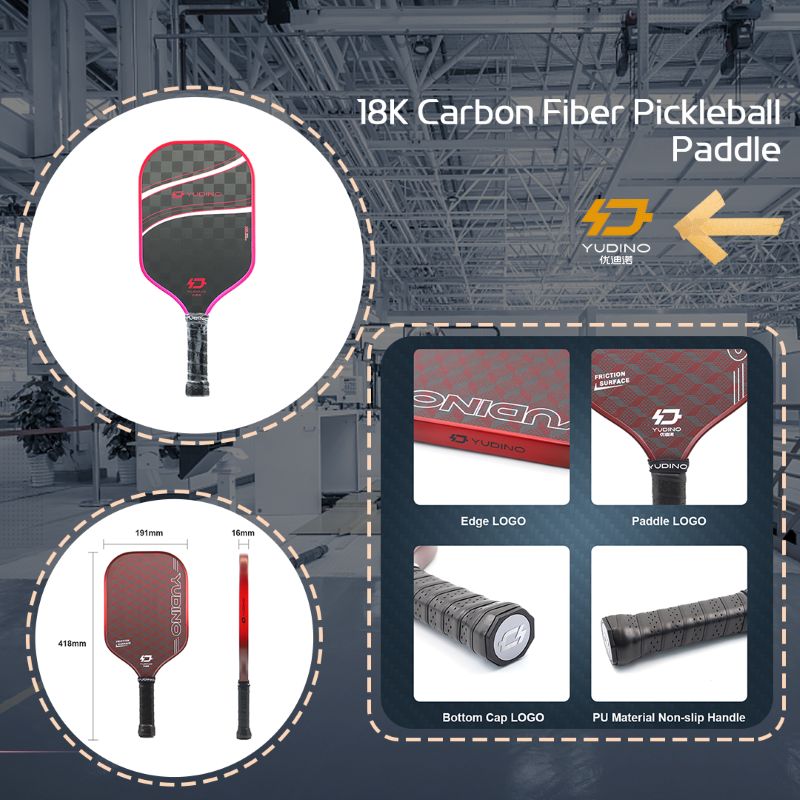
A modern 18K carbon fiber paddle with a polypropylene honeycomb core and a 16mm thickness offers:
· Strong power.
· Excellent spin.
· Reliable control.
· Large sweet spot.
· Consistent feel.
It performs well in almost every area of the game.
Kevlar is an excellent option, but it tends to appeal more to players who already know they prefer a softer and more control-oriented paddle.
My Recommendation
Choose an 18K Carbon Fiber Paddle if:
· You want more power.
· You like aggressive play.
· You are upgrading from an entry-level paddle.
· You want an all-around performance paddle.
· You are unsure which material to choose.
Choose a Kevlar Paddle if:
· Control is your top priority.
· You prefer a softer feel.
· You play a patient, strategic game.
· You focus heavily on dinks and resets.
Final Verdict
When comparing 18K carbon fiber vs Kevlar paddles, there is no universal winner.
However, for most players, 18K carbon fiber is the better overall choice because it provides a stronger balance of power, spin, responsiveness, and versatility.
Kevlar remains an excellent alternative for players who specifically want a softer feel and maximum control, but if you're buying a premium paddle and can only choose one, an 18K carbon fiber paddle is likely to satisfy a wider range of playing styles and skill levels.
If you're still undecided, start with 18K carbon fiber. It's the material that most players can grow into as their game continues to improve.