Is Playing Pickleball Beneficial to the Elderly?
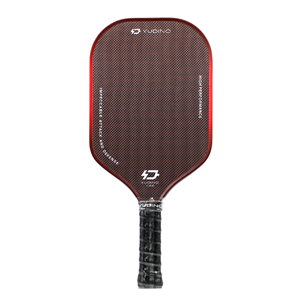
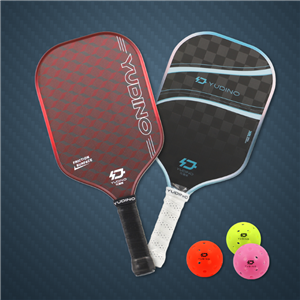
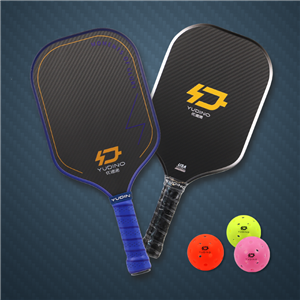
From a physical point of view, the benefits of pickleball for the elderly are particularly prominent. The first is joint-friendly. Compared with the vigorous running and jumping of tennis, the pickleball venue is only 1/4 of the tennis court. The speed of the ball is slow and there are many rounds. There is no need to take large strides or make emergency stops. It can minimize the pressure on the knee and ankle joints. Even the elderly with mild joint discomfort can move their muscles and bones in moderate exercise. At this time, the choice of a pickleball paddle is very critical: the elderly have weak hand strength, so they need to choose a lightweight racket to avoid strain. As a company specializing in the production and export of pickleball equipment, YUDINO has designed a lightweight racket for the needs of the elderly. It uses high-elastic composite materials, the weight is controlled within 200g, and it is equipped with a non-slip cork grip. The grip is comfortable and not easy to slip, reducing hand fatigue.
Not only that, pickleball can gently exercise cardiopulmonary function. The elderly are most afraid of “excessive” exercise, and the rhythm of pickleball can be fast or slow. Continuous rounds can keep the heart rate in a healthy range (about 100-120 times/min) without causing a burden on the heart and lungs.Long-term persistence can improve blood circulation and improve breathing endurance, which is more obvious than the exercise effect of static exercises such as walking.
More importantly, pickleball can enhance physical coordination.When playing, you need to stare at the ball, control the racket by hand, and move your feet. This kind of ”eye-hand-hand linkage" can exercise nerve response speed, help the elderly maintain a sense of balance, and reduce the risk of falling. YUDINO also pays attention to “enhanced balance” in the design of the racket. The center of gravity of the racket surface is close to the middle, making it easier for the elderly to control the direction when swinging the racket. Even if the movement range is small, it can accurately return the ball, further enhancing sports confidence.
In addition to physical benefits, pickleball's social attributes are also very helpful for the psychological regulation of the elderly. The elderly often face loneliness, and pickleball is mostly a team of two or four people. The communication during the game and the small talk after the game can help them expand their social circle. Many elderly golfers said that playing pickleball 2-3 times a week not only relaxes their bodies, but also makes them more cheerful.
Of course, the elderly need to pay attention to “doing what they can” when playing pickleball: choose soft sportswear and non-slip shoes, find a coach to guide the basic movements for the first time, and match suitable equipment to ensure safety and better enjoy sports. Fun. In short, pickleball is a “low-threshold, high-income” sport for the elderly, and it is worth trying.