What is the difference between 26 and 40 holes pickleballs?
Introduction: Why the Right Pickleball Matters More Than Most Buyers Realize
Over the past few years, pickleball has evolved from a recreational backyard game into one of the fastest-growing paddle sports in the world. As demand continues to rise across North America, Europe, and emerging sports markets, importers, wholesalers, Amazon sellers, and OEM sports brands are paying closer attention to product quality than ever before.
For many first-time buyers, a pickleball may appear to be a simple plastic ball with holes. However, experienced distributors understand that the performance of a pickleball directly affects customer satisfaction, player experience, and long-term brand reputation.
One of the most common questions in the market today is:
What is the difference between 26 and 40 Holes Pickleballs?
The answer goes far beyond the number of holes. The difference impacts:
Flight stability
Wind resistance
Bounce consistency
Surface durability
Tournament suitability
Player control
Product lifespan
For B2B buyers, understanding these differences is essential when selecting the right supplier or developing a private-label pickleball brand.
In this guide, we will explore:
The technical differences between 26-hole and 40 Holes Pickleballs
Why 40-hole balls dominate the outdoor market
Common manufacturing defects buyers should avoid
Material and molding technologies used in professional-grade balls
OEM sourcing considerations for importers and wholesalers
The real reasons why high-quality pickleballs outperform cheap alternatives
Whether you are sourcing for retail distribution, sports clubs, Amazon FBA, or OEM branding, this article will help you understand how professional-grade 40 outdoor pickleball products are engineered for durability, consistency, and competitive play.
Understanding the Basics of Pickleball Construction
What Is a Pickleball Made Of?
Modern pickleballs are typically manufactured using durable thermoplastic materials such as:
Polyethylene (PE)
Polypropylene (PP)
Modified outdoor polymer blends
The ball contains a hollow internal structure and precision-formed holes distributed across the shell surface. While the design appears simple, the engineering behind the ball significantly influences gameplay performance.
The quality of a pickleball depends on several factors:
Material elasticity
Wall thickness consistency
Roundness accuracy
Hole symmetry
Surface hardness
Seam quality
Temperature resistance
A poorly manufactured ball may wobble during flight, crack under impact, or lose bounce consistency after only a few matches.
This is why professional buyers no longer focus solely on pricing. Durability and performance consistency have become critical purchasing standards.
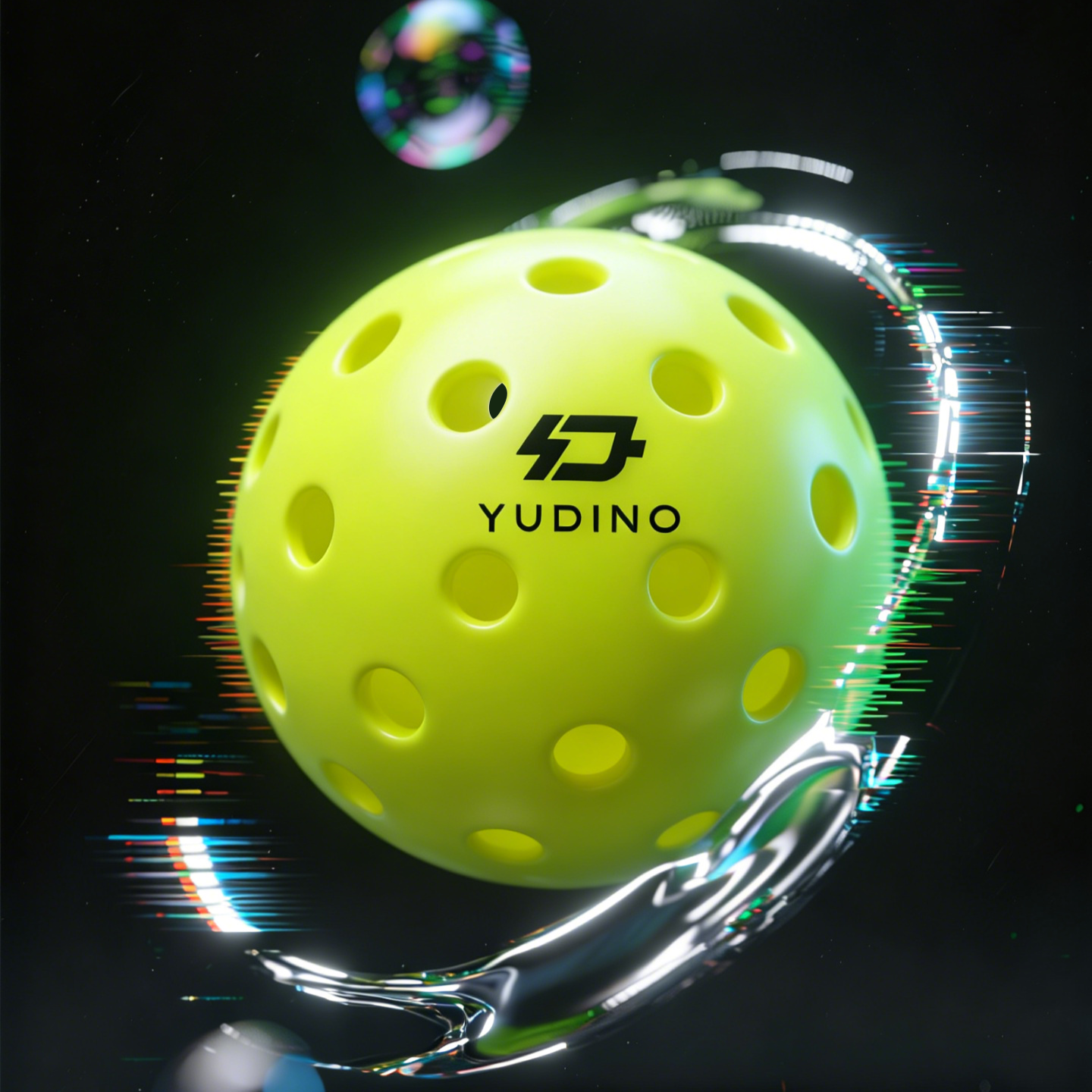
What Is the Difference Between 26 and 40-Hole Pickleballs?
26-Hole Pickleballs: Designed Primarily for Indoor Play
A 26-hole pickleball is generally used for indoor courts, such as:
Wooden gym floors
PVC indoor sports flooring
Smooth synthetic courts
Indoor pickleballs typically feature:
Larger holes
Softer material composition
Lower hardness
Reduced bounce speed
Greater control during slower rallies
Because indoor environments are protected from wind, indoor balls prioritize touch and control rather than aerodynamic stability.
Main Characteristics of 26-Hole Balls
| Feature | 26-Hole Pickleball |
| Primary Use | Indoor courts |
| Hole Size | Larger |
| Material Feel | Softer |
| Flight Speed | Slower |
| Bounce Style | Lower and softer |
| Wind Performance | Poor |
| Surface Durability | Moderate |
Indoor players often prefer 26-hole balls because they provide:
Better shot placement
Softer feel
Easier control for beginners
Reduced noise on indoor courts
However, these same characteristics become disadvantages outdoors.
40-Hole Pickleballs: The Standard for Outdoor Performance
A 40 outdoor pickleball is specifically engineered for hard outdoor court environments such as:
Asphalt courts
Concrete pickleball courts
Outdoor acrylic sports surfaces
Unlike indoor balls, outdoor pickleballs must handle:
Wind exposure
High-impact rallies
Rough playing surfaces
Temperature fluctuations
UV exposure
For this reason, 40-hole balls use:
Smaller, evenly distributed holes
Harder polymer materials
Higher structural rigidity
Enhanced aerodynamic stability
Main Characteristics of 40-Hole Balls
| Feature | 40-Hole Outdoor Pickleball |
| Primary Use | Outdoor courts |
| Hole Size | Smaller |
| Material Feel | Harder |
| Flight Speed | Faster |
| Bounce Style | More responsive |
| Wind Stability | Excellent |
| Surface Durability | High |
Today, most tournament-level outdoor pickleball competitions use 40-hole balls because they offer:
More predictable flight
Better resistance to outdoor wind conditions
Higher durability
Faster competitive gameplay
Why Do Professional Players Prefer 40 Outdoor Pickleballs?
Improved Aerodynamic Stability
One of the biggest advantages of a 40 outdoor pickleball is flight consistency.
The evenly distributed 40-hole design helps create balanced airflow around the ball during high-speed play. This reduces erratic movement and improves trajectory stability in outdoor conditions.
Cheap outdoor balls often suffer from:
Uneven hole spacing
Poor roundness
Inconsistent wall thickness
These defects can cause:
Wobbling during flight
Unstable bounce angles
Inaccurate shots
Poor player confidence
Professional-grade outdoor balls are engineered to minimize these issues through precision manufacturing.
Better Performance in Windy Conditions
Outdoor pickleball courts are heavily affected by environmental conditions.
Wind can dramatically alter gameplay if the ball lacks aerodynamic consistency.
A properly engineered 40 holes pickleball helps maintain:
Straighter flight paths
Better directional control
More consistent spin response
Reduced unpredictable drift
For competitive players, this consistency is critical during fast exchanges and tournament-level rallies.
Enhanced Durability on Hard Outdoor Courts
Outdoor courts are highly abrasive.
Low-quality pickleballs often crack after only a few aggressive matches because:
The material becomes brittle
Hole edges weaken under repeated impact
Wall thickness is inconsistent
High-quality 40 outdoor pickleball products are specifically engineered to withstand:
High-speed paddle impact
Rough court friction
Repeated compression stress
Outdoor temperature variations
For B2B buyers, durability directly affects:
Customer satisfaction
Return rates
Brand reputation
Amazon review scores
Club repurchase frequency
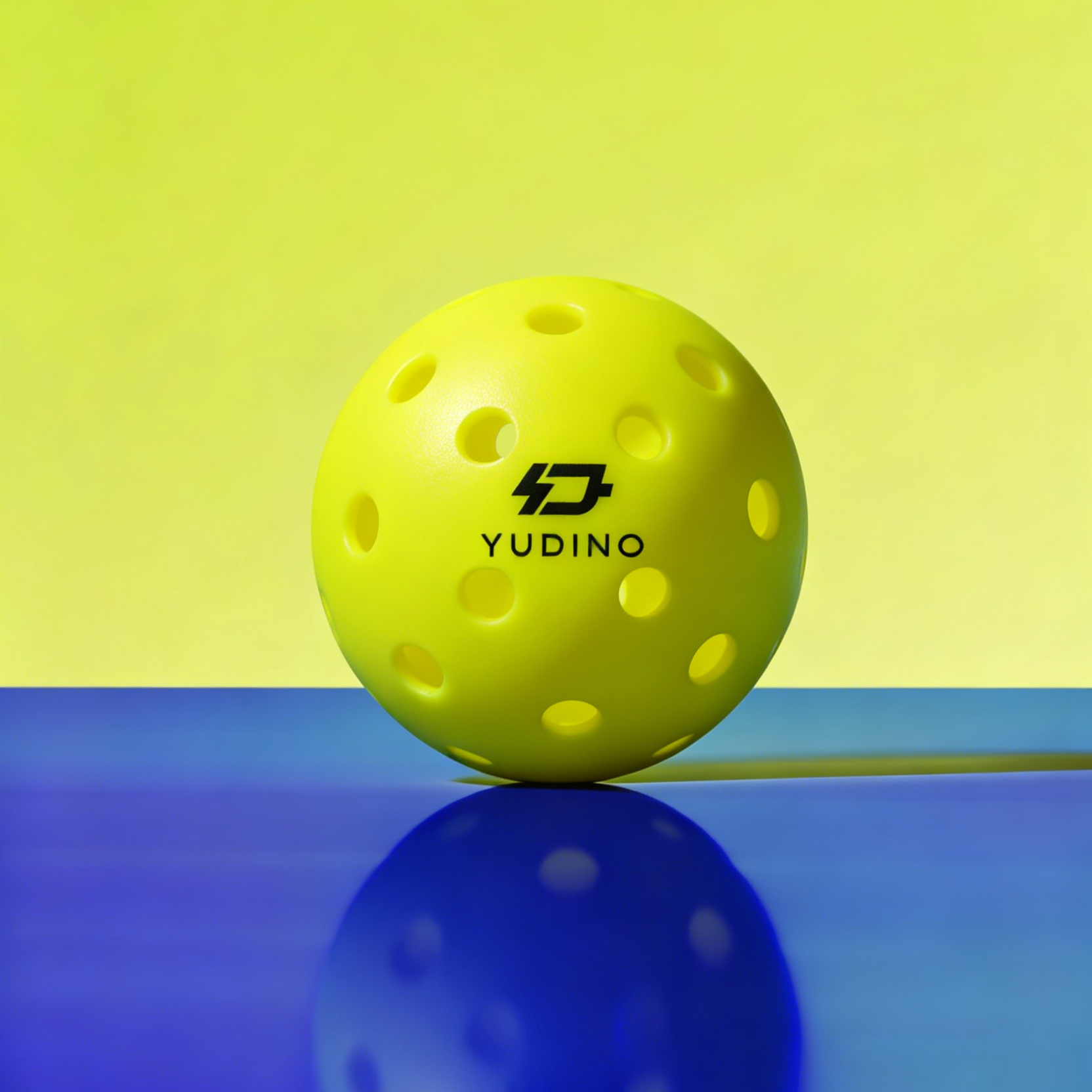
The Manufacturing Process Behind Professional Outdoor Pickleballs
Precision Material Selection
Professional outdoor pickleballs typically use advanced polymer formulations designed for:
Impact resistance
Elastic recovery
UV resistance
Temperature stability
At the professional manufacturing level, material consistency is extremely important.
Low-cost factories often use excessive recycled plastic content, which can result in:
Brittle cracking
Uneven hardness
Poor bounce recovery
“Mushy” feel during play
Premium manufacturers instead use controlled polymer blending to ensure:
Stable hardness
Consistent bounce
Reliable durability
Precision Molding and Seam Quality
Most pickleballs are manufactured using a two-piece molded construction.
However, the difference between low-quality and professional-grade products lies in:
Seam alignment accuracy
Surface finishing quality
Wall thickness consistency
Hole symmetry
Poor seam welding can create weak structural points that crack easily during outdoor play.
Professional factories implement:
Controlled heat fusion
Precision mold calibration
Automated dimensional inspection
Surface consistency testing
This helps improve:
Structural strength
Flight balance
Long-term durability
Wall Thickness Consistency
One of the biggest causes of unstable flight is uneven wall thickness.
If one side of the ball is slightly heavier, the ball may:
Rotate unevenly
Drift during flight
Produce inconsistent bounce angles
Professional manufacturers use strict QC systems to verify:
Diameter accuracy
Weight consistency
Roundness tolerance
Balance performance
These production standards are especially important for tournament-grade outdoor pickleballs.
Common Problems Buyers Face When Sourcing Cheap Pickleballs
Problem 1: Balls Crack Too Quickly
This is one of the most common complaints in the market.
Cheap pickleballs often fail because manufacturers reduce material costs by using:
Inferior plastic blends
Excessive recycled material
Weak seam bonding
Professional outdoor balls should maintain performance under repeated high-impact use.
Problem 2: Inconsistent Bounce Between Balls
Bulk buyers often encounter shipments where:
Some balls bounce too high
Others feel soft
Some lose elasticity quickly
This inconsistency damages player trust and creates negative product reviews.
Reliable suppliers maintain strict production tolerances to ensure every ball performs consistently.
Problem 3: Balls Become Oval-Shaped
Poor curing processes can cause deformation during packaging or shipping.
Professional manufacturers use controlled cooling and curing systems to maintain roundness stability.
How OEM Buyers Should Evaluate a Pickleball Supplier
Check Manufacturing Experience
When choosing an OEM pickleball supplier, buyers should evaluate:
Factory specialization
Export experience
QC systems
Production capacity
Mold precision capabilities
Factories with long-term sports equipment manufacturing experience generally produce more stable products.
Verify Performance Testing Procedures
Reliable suppliers should perform testing for:
Bounce consistency
Diameter tolerance
Weight accuracy
Impact durability
Temperature resistance
Professional buyers should request:
Test reports
Product videos
Batch consistency data
Sample comparisons
Evaluate Branding and Packaging Capabilities
For private-label brands, packaging quality is nearly as important as the product itself.
Professional OEM suppliers should support:
Custom logo printing
Retail packaging
Club packaging
Amazon FBA packaging
Barcode labeling
Bulk wholesale cartons
Indoor vs Outdoor Pickleballs: Which One Should You Choose?
Choose 26-Hole Balls If:
You mainly play indoors
You prefer softer control
Your court has low friction
Wind is not a concern
Choose 40 Outdoor Pickleballs If:
You play outdoors regularly
You need tournament-level durability
You want faster gameplay
You need better wind stability
You are sourcing for competitive players
Today, the global outdoor pickleball market continues to grow rapidly, making 40-hole outdoor balls the dominant category for distributors and sports brands.
Why High-Quality Pickleballs Matter for B2B Brands
For importers and wholesalers, product quality directly influences:
Customer retention
Marketplace ratings
Distributor trust
Club partnerships
Long-term profitability
A cheaper ball may reduce purchasing costs initially, but poor durability often leads to:
Negative reviews
Increased returns
Reputation damage
Reduced repeat orders
In contrast, professional-grade outdoor pickleballs help establish a premium market position.
Future Trends in the Outdoor Pickleball Industry
The professional pickleball market is evolving quickly.
Future trends include:
Enhanced cold-weather polymer materials
Improved aerodynamic designs
Longer-lasting outdoor formulations
Eco-friendly material development
Tournament-certified OEM production
As the market becomes more competitive, buyers increasingly prioritize:
Product consistency
Manufacturing reliability
Brand differentiation
Certified quality standards
Conclusion
So, what is the difference between 26 and 40 holes pickleballs?
The answer involves much more than simply counting holes.
A 26-hole pickleball is optimized for indoor control and softer gameplay, while a 40 outdoor pickleball is engineered for outdoor durability, aerodynamic stability, and competitive performance.
For importers, wholesalers, OEM brands, and distributors, choosing the right outdoor pickleball supplier is critical to long-term business success.
Professional-grade manufacturing standards—including precision molding, balanced hole distribution, durable polymer materials, and strict quality control—are what separate premium products from low-cost alternatives.
As outdoor pickleball continues to expand globally, high-quality 40-hole balls will remain the preferred choice for players, clubs, tournaments, and professional brands seeking reliable performance and long-term value.
Product FAQ
Q1: Why do outdoor pickleballs crack more easily in winter?
Cold temperatures can make standard plastic materials more brittle. Professional outdoor pickleballs use impact-resistant polymer blends designed to improve cold-weather durability.
Q2: Why do some pickleballs wobble during flight?
Wobbling is usually caused by uneven wall thickness, poor balance, or inconsistent hole distribution. Precision manufacturing helps improve flight stability.
Q3: Can 40 holes pickleballs be used indoors?
Yes, but they are generally faster and harder than indoor balls. Many players prefer 26-hole balls indoors because they provide softer control.
Q4: How long should a professional outdoor pickleball last?
Durability depends on court surface, weather conditions, and playing intensity. High-quality outdoor balls generally provide significantly longer lifespan and more stable performance than low-cost alternatives.
Q5: What should OEM buyers focus on when sourcing pickleballs?
OEM buyers should evaluate:
Material quality
Manufacturing consistency
QC systems
Export experience
Packaging capabilities
Branding support
Product durability
Bounce consistency