Why Do Pickleball Paddles Use Honeycomb Cores?
If you've looked at modern pickleball paddles, you've probably noticed that most of them use a honeycomb core.
The reason is simple:
Honeycomb cores provide the best balance of power, control, durability, and weight.
Compared with solid-core designs, honeycomb structures make paddles lighter, stronger, more forgiving, and more comfortable to play with. That's why nearly every premium pickleball paddle on the market today uses some form of honeycomb core construction.
For most players, the honeycomb core isn't just a design feature—it's one of the biggest reasons modern paddles perform so well.
What Is a Honeycomb Core?
A honeycomb core is a lightweight internal structure made up of hundreds of small hexagonal cells.
When you cut a paddle open, the inside looks similar to a beehive, which is where the name comes from.
The honeycomb design sits between the paddle faces and serves as the paddle's structural foundation.
Most modern paddles use:
· Polypropylene honeycomb cores
· Nomex honeycomb cores
· Aluminum honeycomb cores
Among these options, polypropylene honeycomb has become the industry standard.
The Biggest Advantage: Strength Without Extra Weight
One challenge in paddle design is creating a paddle that feels powerful without becoming too heavy.
A solid core would certainly be strong, but it would also make the paddle much heavier and harder to maneuver.
The honeycomb structure solves this problem.
Because most of the interior consists of hollow cells, manufacturers can reduce weight while maintaining excellent structural strength.
This allows players to enjoy:
· Faster hand speed
· Better maneuverability
· Reduced fatigue
· Improved reaction time
In simple terms, honeycomb cores help paddles stay light without becoming weak.
Better Control on Every Shot
Many players assume honeycomb cores exist only to reduce weight.
In reality, they also improve control.
When the ball strikes the paddle face, the honeycomb structure helps distribute impact energy evenly across the paddle.
This creates:
· More predictable ball response
· Better shot consistency
· Improved touch around the kitchen
· Greater confidence during rallies
For players who rely on dinks, resets, and placement shots, this consistency can be more valuable than raw power.
A Larger Sweet Spot
One reason premium paddles feel more forgiving is because of the honeycomb core.
The honeycomb structure helps spread impact forces across a larger area of the paddle face.
As a result:
· Off-center hits feel more stable
· Mishits lose less energy
· Ball placement becomes more consistent
This effectively creates a larger sweet spot.
For most recreational and intermediate players, a larger sweet spot means fewer errors and a more enjoyable playing experience.
Reduced Vibration Means More Comfort
Have you ever used a paddle that felt harsh or uncomfortable during hard shots?
The core often plays a major role in that feeling.
Honeycomb cores help absorb and dissipate vibration before it reaches the player's hand.
This creates:
· A softer feel
· Improved comfort
· Less arm fatigue
· Better long-term playability
This is one reason why polypropylene honeycomb cores have become so popular among both recreational and competitive players.
Why Honeycomb Cores Work So Well with Carbon Fiber
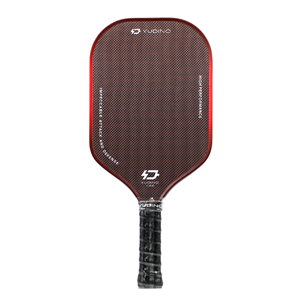
Today's most popular paddles often combine:
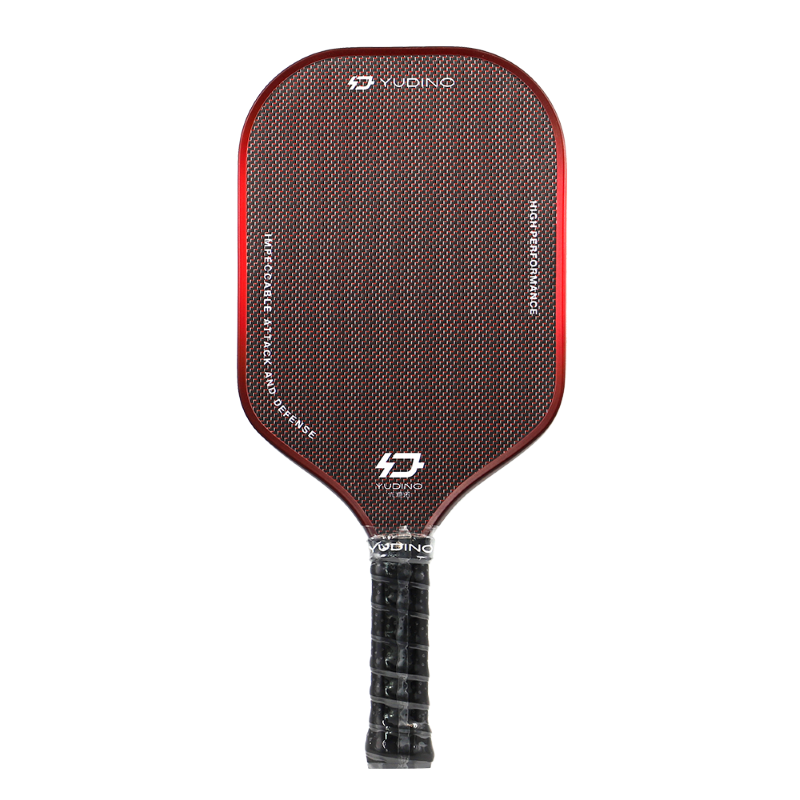
· Carbon fiber face
· Honeycomb core
· 16mm thickness
There is a reason this combination dominates the market.
Carbon fiber provides stiffness, spin, and responsiveness.
The honeycomb core adds:
· Stability
· Comfort
· Forgiveness
· Energy management
Together, they create a paddle that performs well in almost every aspect of the game.
Without a honeycomb core, a carbon fiber paddle would often feel overly rigid and difficult to control.
Which Honeycomb Core Is Best?
If you're buying a paddle today, you'll usually encounter three core materials.
Polypropylene Honeycomb
Best overall choice.
Advantages:
· Excellent control
· Large sweet spot
· Comfortable feel
· Low vibration
· Quiet performance
Most premium paddles use polypropylene because it delivers the most balanced performance.
Nomex Honeycomb
Best for power.
Advantages:
· Fast response
· High power output
· Strong durability
However, it can feel harder and less forgiving.
Aluminum Honeycomb
Best for touch.
Advantages:
· Soft feel
· Lightweight handling
However, it is less common in modern performance paddles.
For most players, polypropylene remains the preferred option.
Could Pickleball Paddles Work Without Honeycomb Cores?
Technically, yes.
But performance would suffer.
A solid-core paddle would likely be:
· Heavier
· Less forgiving
· Less comfortable
· More difficult to control
The honeycomb design is simply a more efficient solution.
It provides strength where needed while eliminating unnecessary weight.
That's why manufacturers continue to rely on it despite advances in paddle materials and construction methods.
Final Verdict
So, why do pickleball paddles use honeycomb cores?
Because no other core design currently offers the same combination of lightweight strength, control, comfort, durability, and forgiveness.
The honeycomb structure helps create larger sweet spots, reduces vibration, improves consistency, and keeps paddles lightweight enough for fast-paced play.
If you're shopping for a quality pickleball paddle, one of the easiest ways to narrow your choices is to look for a paddle with a polypropylene honeycomb core. It's the design trusted by most leading manufacturers—and for good reason.
Simply put, the honeycomb core is one of the key technologies that transformed pickleball paddles from basic equipment into the high-performance products players use today.