How to Choose the Right Thermoformed Pickleball Paddle Shape
Paddle shape gets far less attention than face material or core thickness, but it quietly shapes almost everything about how a paddle performs — reach, sweet spot size, maneuverability, and even how a paddle feels off a thermoformed pickleball paddle's edge. If you've ever picked up two paddles with identical specs on paper that felt completely different in hand, shape is usually the reason why. Here's what actually matters when choosing the right paddle shape, and why it matters even more for anyone sourcing a thermoformed pickleball paddle line rather than buying a single unit.
Standard Shape: The All-Around Choice
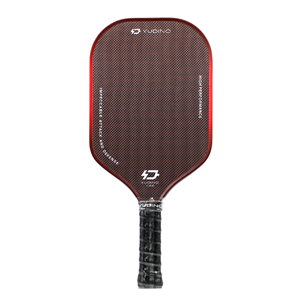
A standard-shaped paddle keeps length and width close to balanced, typically landing near 16 inches long and 8 inches wide. This shape maximizes the sweet spot and gives the most forgiving performance on off-center hits, which is why most manufacturers build their flagship thermoformed pickleball paddle models around this profile first. It suits players who want a dependable all-around feel without committing to an aggressive playstyle — and it's usually the safest starting point for a new product line.
Who It's Best For
Players who value consistency over specialization, and beginners who haven't yet developed a strong shot preference, tend to get the most out of a standard shape. It's forgiving on mishits and doesn't punish inexperience.
Elongated Shape: Built for Reach and Power
An elongated paddle stretches the length closer to the 16.5–17-inch limit while narrowing the width slightly to stay within regulation size. That extra length adds reach and swing leverage, which translates into more power on drives and serves. The tradeoff is a smaller, less forgiving sweet spot — off-center contact is punished more noticeably than on a standard shape.
Who It's Best For
Players with a strong baseline game, taller players who benefit from extended reach, and anyone prioritizing power over forgiveness usually gravitate here. A thermoformed pickleball paddle in an elongated profile pairs particularly well with a stiffer, higher-K carbon face for players chasing maximum pop.
Wide-Body Shape: Maximum Forgiveness
Wide-body paddles shorten the length and maximize width, producing the largest sweet spot of the three common shapes. This makes mishits far more forgiving and gives more surface area for blocking and resetting fast exchanges at the net — a meaningful advantage in doubles play, where quick hands matter more than raw power.
Who It's Best For
Net-focused players, doubles specialists, and anyone still refining timing and contact point benefit most from the extra margin a wide-body shape provides.
Does Paddle Shape Affect Thermoformed Performance?
Yes, and this is where construction and shape intersect. Because a thermoformed pickleball paddle is molded as a single unit rather than assembled from glued layers, the mold itself must be precisely tuned to each shape to maintain even weight distribution and a consistent flex pattern across the face. A poorly tuned mold can leave a wide-body paddle feeling top-heavy or an elongated paddle feeling whippy in the wrong way. This is one of the less-discussed reasons why manufacturing precision matters as much as the shape decision itself — the same shape from two different production lines can feel meaningfully different in hand.
Questions Players Ask Before Choosing a Shape
Does a bigger paddle face always mean more power? Not necessarily. Power comes more from paddle length and swing leverage (elongated shapes) than from face width. Wide-body shapes trade some power for a larger sweet spot instead.
Is shape more important than carbon fiber weave? They solve different problems. Weave density affects power and spin at the point of contact; shape affects sweet spot size, reach, and maneuverability. A well-built thermoformed pickleball paddle balances both rather than leaning on one spec alone.
Can beginners use an elongated paddle? They can, but it's not the easiest starting point. The smaller sweet spot punishes inconsistent contact more than a standard or wide-body shape would.
Does shape affect durability? Indirectly. Elongated shapes concentrate more stress toward the tip on off-center hits, so edge integrity and mold precision matter more on that profile — another reason a genuinely thermoformed, seamless edge outperforms a taped laminate edge over time.
What This Means for Buyers Sourcing a Paddle Line
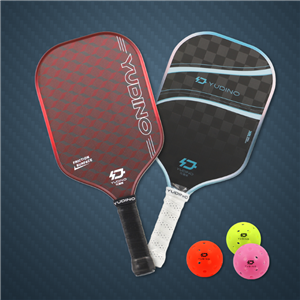
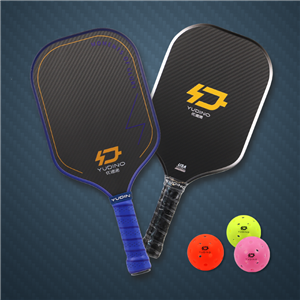
For importers, wholesalers, and brand owners building out a catalog, shape variety is often what separates a competitive product line from a single-SKU offering. Most markets respond well to carrying all three shapes side by side — standard as the anchor SKU, elongated for a power-oriented tier, and wide-body for a doubles/beginner-friendly tier — rather than betting on one profile alone. When evaluating a manufacturer, it's worth asking whether their molds are shape-specific and tuned individually, since a factory that reuses a single mold across shapes (rather than engineering each one properly) is more likely to produce inconsistent weight balance across a production run. A supplier that can provide samples across all three shapes before a bulk order, and that manages its own thermoforming press in-house, gives buyers a much clearer picture of what customers will actually receive at scale.
Final Thoughts
There's no single "best" paddle shape — only the shape that matches how a player actually plays, and for buyers, the shape mix that matches their target market. Standard shapes offer balance, elongated shapes trade forgiveness for reach and power, and wide-body shapes maximize the sweet spot for net play and beginners. What ties all three together is construction quality: a well-engineered thermoformed pickleball paddle, molded with shape-specific precision, will outperform a mismatched or poorly tuned build regardless of which profile you choose. Whether you're picking a paddle for your own game or building out a product line, start with shape, then confirm the manufacturing precision behind it.
FAQ
What's the most versatile pickleball paddle shape for new players?
A standard shape is generally the most versatile, offering a large sweet spot and balanced performance that suits most playstyles while players develop preferences.
Do elongated paddles violate regulation size limits?
No — elongated paddles are designed to stay within the combined length-plus-width regulation limit; they simply shift more of that allowance toward length than width.
Can I request paddle shape samples before a bulk order?
Yes, most manufacturers offering a thermoformed pickleball paddle line can provide samples across shapes so buyers can evaluate weight balance and feel before committing to production quantities.
Is one shape better for OEM or private-label branding?
Standard shapes are typically the strongest anchor SKU for a new private-label line since they appeal to the broadest range of players, with elongated and wide-body shapes added as the catalog expands.
Does paddle shape affect the price for wholesale orders?
Shape itself has minimal impact on unit cost; pricing is driven more by carbon fiber grade, core specification, and order volume than by the shape of the mold.