Best Pickleball Paddle Materials in 2026: A Complete Buyer's Guide
As the sport of pickleball continues to grow rapidly worldwide, paddle technology is evolving just as quickly. In 2026, players have more choices than ever when it comes to paddle materials, each offering different levels of control, power, durability, and spin.
If you are planning to buy a new paddle—or sourcing paddles for your brand—understanding the differences between pickleball paddle materials is essential.
This guide will break down the most common paddle materials used in 2026 and help you determine which one best suits your playing style.
Why Paddle Material Matters
The material of a pickleball paddle directly affects several key performance factors:
Power – how fast the ball leaves the paddle
Control – accuracy when placing shots
Spin potential – ability to generate topspin or slice
Durability – resistance to wear and impact
Weight – overall maneuverability
Different materials balance these factors differently, which is why professional players and recreational players often prefer different paddle constructions.
Most Common Pickleball Paddle Materials in 2026
The majority of modern pickleball paddles use one of the following surface materials.
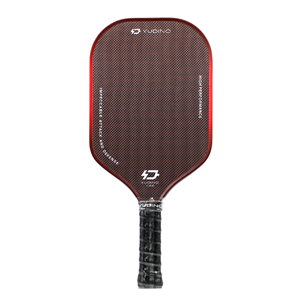
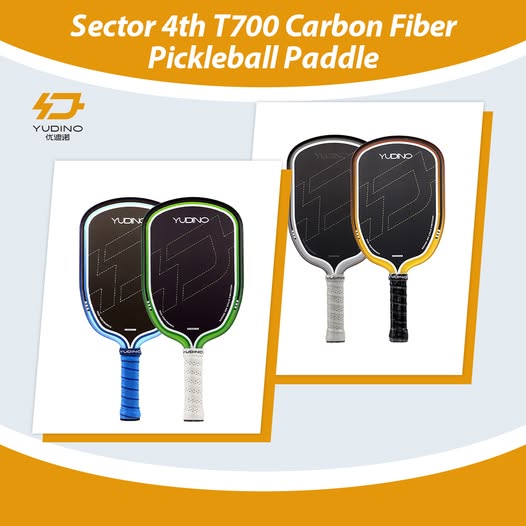
1. Carbon Fiber Paddle
Carbon fiber has become the premium material in high-performance pickleball paddles.
Key Advantages
Exceptional spin generation
Excellent control and ball feel
Lightweight yet extremely strong
Highly durable surface
Carbon fiber paddles often feature T700 carbon fiber or advanced woven structures such as 12K or 18K carbon fiber.
Because of their performance advantages, carbon fiber paddles are widely used by competitive and professional players.
Best For
Intermediate to advanced players
Spin-focused play styles
Competitive tournament players
2. Fiberglass Paddle (Composite Paddle)
Fiberglass paddles, often called composite paddles, remain one of the most popular options for recreational players.
Key Advantages
Greater power than carbon fiber
Slightly softer feel
Generally more affordable
Fiberglass surfaces flex slightly more during ball contact, creating a trampoline-like effect that helps generate powerful shots.
Best For
Players who prioritize power
Beginners to intermediate players
Budget-friendly options
3. Graphite Paddle
Graphite paddles were once the dominant material in the pickleball market.
Although many modern paddles now use carbon fiber instead, graphite still offers several benefits.
Key Advantages
Lightweight construction
Excellent control
Smooth ball contact
Graphite paddles often appeal to players who prefer a fast and responsive paddle.
Best For
Control-oriented players
Players who prefer lightweight paddles
4. Kevlar Hybrid Paddle
A newer trend in 2026 is the use of Kevlar hybrid paddle faces, often combined with carbon fiber layers.
Key Advantages
Extremely durable
Unique vibration dampening
Improved impact resistance
Kevlar is still a niche material but is gaining popularity in high-end paddle designs.
Best For
Advanced players
High-durability paddle designs
Paddle Core Materials Also Matter
While the paddle surface material is important, the core construction also plays a major role.
The most common core used today is:
Polymer Honeycomb Core
Benefits include:
Excellent vibration control
Balanced power and control
Lightweight construction
This core type is used in the majority of modern paddles.
Carbon Fiber vs Fiberglass: Which Is Better?
A common question from buyers is whether carbon fiber or fiberglass paddles are better.
| Feature | Carbon Fiber | Fiberglass |
|---|---|---|
| Control | Excellent | Good |
| Power | Moderate | High |
| Spin | Excellent | Moderate |
| Durability | Very High | High |
| Price | Higher | More affordable |
In general:
Carbon fiber paddles favor control and spin
Fiberglass paddles favor power and affordability
How to Choose the Best Paddle Material
When selecting a paddle material, consider the following factors:
Skill Level
Beginners often benefit from fiberglass paddles due to their power and forgiving feel.
Advanced players typically prefer carbon fiber for its superior control and spin.
Playing Style
Power players may prefer fiberglass, while control-oriented players often choose carbon fiber.
Budget
Fiberglass paddles are usually more cost-effective, while carbon fiber paddles sit in the premium category.
Final Thoughts
The best pickleball paddle material ultimately depends on your playing style, experience level, and performance priorities.
In 2026, carbon fiber paddles continue to dominate the high-performance market, while fiberglass paddles remain a strong choice for players seeking power and affordability.
Understanding these material differences will help you select the paddle that best enhances your game.
FAQ
What is the best material for a pickleball paddle?
Carbon fiber is widely considered the best material for high-performance paddles due to its excellent spin potential, control, and durability.
Are fiberglass paddles good for beginners?
Yes. Fiberglass paddles provide extra power and are often more affordable, making them a popular option for beginner players.
Do carbon fiber paddles last longer?
Generally, yes. Carbon fiber is highly durable and resistant to surface wear compared to many other materials.