History of pickleball
The birth of pickleball can be traced back to Bainbridge Island, Washington, USA in 1965. At that time, Congressman Joel Pritchard and his friend Bill Bell couldn't find suitable entertainment activities when they were with their family on weekends. They stumbled upon an idle table tennis racket and plastic ball in their home, and it coincided with an old badminton net in the backyard-so the three of them had an idea. The badminton net was lowered to about 1.5 meters, and the plastic ball was hit with a table tennis racket, and an impromptu “mixed sport” began. Since the Pritchard's dog is named "Pickles” and often runs to pick up the ball, everyone jokingly named the sport “pickleball”, and this interesting name has been used to this day.
The original pickleball rules were very simple, and only revolved around the core design of “allowing the whole family to participate”: The venue follows the badminton court, hitting the ball with a table tennis racket, and the ball is prohibited from landing twice. The basic rules combine the characteristics of tennis, badminton and table tennis.However, as the number of participants increased, the rules of pickleball began to gradually improve. In 1972, the first official pickleball competition was held on Bainbridge Island. For the first time, the competition clarified the standard size of the pickleball field (24 feet long and 17 feet wide), and added a “non-volley zone (kitchen)” rule, which prohibits players from volleying at close range in front of the net. This rule has also become one of the core features that distinguishes pickleball from other ball sports in the future.
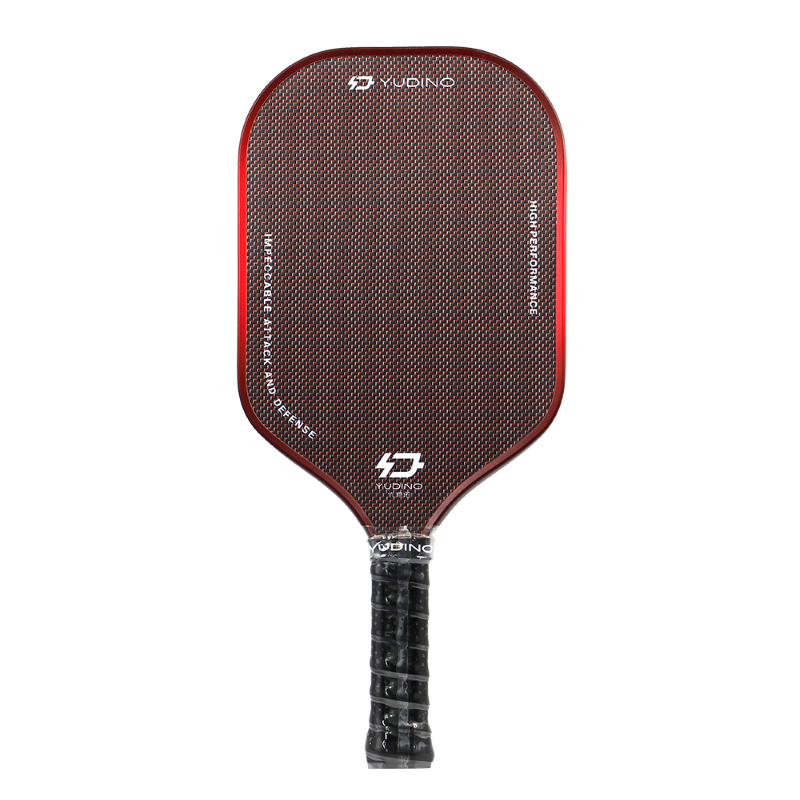
In the 1980s, pickleball began to transform from family entertainment to mass sports.In 1984, the United States pickleball Association (USAPA) was established. The association not only unified and standardized the rules of pickleball (such as serving order and scoring mechanism), but also formulated the standards of pickleball equipment (such as racket material, ball weight and number of holes), laying the foundation for the standardized development of pickleball. Since then, pickleball has rapidly gained popularity in communities and schools in the United States, especially among middle-aged and elderly groups. Because of the moderate amount of pickleballl exercise and easy-to-understand rules, it has become the main group of people participating in the pickleball movement. Pickleball has gradually become one of the representative projects of American community sports.
After the 21st century, pickleball began to go global. In 2005, pickleball was introduced to Canada, Australia and other countries, and the local pickleball Association was quickly established to hold regional pickleball events; Around 2010, pickleball entered the Asian market and became popular in Japan, South Korea and Taiwan. In recent years, the mainland has also begun to pay attention to pickleball sports, and many places hold pickleball experience activities and amateur events.In 2021, the International pickleball Federation (IFP) was established to promote the development of pickleball to a higher competitive level. At present, pickleball has been listed as a performance project for a number of international sports events, which is expected to further enhance its global influence.
From impromptu games in the family backyard to sports that millions of enthusiasts around the world participate in today, pickleball has a history of less than 60 years, but with the characteristics of “easy to use and strong interaction”, it has become a new choice for sports that spans ages and regions. As more people come into contact with and love pickleball, this vibrant sport will write more new chapters in the future.