What Are the Precautions for Pickleball Sports in Cold Weather?
1. Equipment selection:
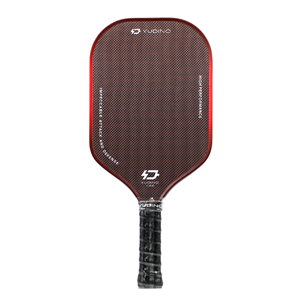
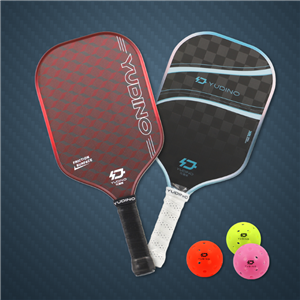
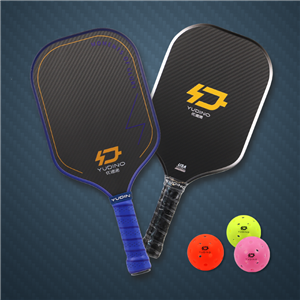
Ordinary pickleball is easy to crack and bounce abnormally at low temperatures, which is the primary problem in winter sports. It is recommended to give priority to pickleball, which is designed for cold environments. It has been specially designed to maintain its complete form and stable performance at low temperatures, and avoid frequent ball changes affecting the rhythm. In terms of rackets, avoid using hard rackets made of pure carbon fiber. The excellent racket surface at low temperatures can easily cause increased hand vibration. Styles with flexible composite materials can be selected to reduce the burden on the wrist when hitting the ball. In addition, you need to match warm and flexible sports gloves, and choose a style with non-slip palms and movable knuckles to resist the cold wind without affecting the grip strength.
2. Body protection:
Muscles are more prone to stiffness in cold weather, and insufficient warm-up can easily cause strains. It is recommended to perform a dynamic warm-up 15-20 minutes before starting the pickleball exercise. Starting from the joint activity, do wrist loops, shoulder rotations, lunges and leg presses in turn, and then activate the muscles through short-distance foldback running and light swing exercises. Wait until the body is slightly hot before entering the formal exercise. The dress code adopts the "layered dressing method”. The inner layer is made of quick-drying warm fabrics, the middle layer is made of lightweight fleece, and the outer layer is made of windproof and waterproof jackets. It can be flexibly increased or decreased according to body temperature during exercise. At the same time, pay attention to the head and neck to keep warm, and wear knitted hats and scarves to avoid discomfort caused by cold wind.
3. Venue and movement rhythm:
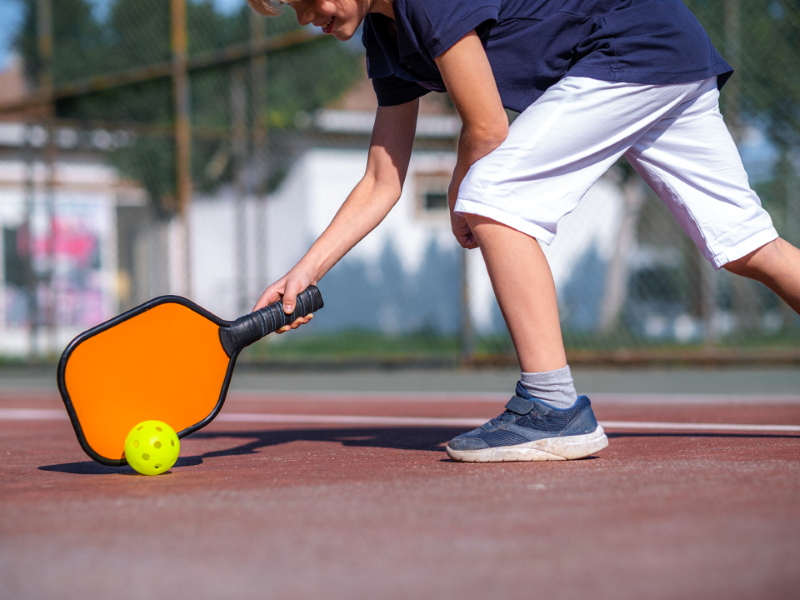
In winter, outdoor venues are prone to dew freezing or the ground hardening. The venue needs to be carefully checked before exercise to avoid icy and stagnant areas. If the ground is slippery, the movement speed can be appropriately reduced, and the emergency stop and turn movements can be reduced to prevent slipping and injury. In terms of exercise rhythm, avoid high-intensity confrontation at the beginning, and first perform low-intensity combat exercises to gradually adapt the body to the low-temperature environment; The duration of each exercise is recommended to be controlled within 1-1.5 hours, take a 5-minute break every 20-30 minutes in the middle, and replenish warm water in time (avoid drinking ice water) to relieve physical fatigue.
4. Recovery after the game:
Don't stop immediately after the exercise. You need to gradually calm your heart rate through static recovery actions such as walking slowly and stretching. Focus on stretching the muscles of your arms, shoulders, and legs to avoid the accumulation of lactic acid and cause pain the next day. At the same time, change drenched clothes in time and put on a warm jacket to prevent colds and colds; Pickleball can supplement the right amount of carbohydrates and protein within 1 hour after the game, such as hot porridge, eggs, etc., to help the body restore energy.
Although cold weather brings challenges to pickleball sports, as long as you do the above precautions and match the appropriate equipment, you can still enjoy sports safely. We will also continue to study the research and development of low-temperature pickleball equipment to provide enthusiasts around the world with solutions that are more suitable for winter sports, so that every winter swing can be at ease and enjoyable.