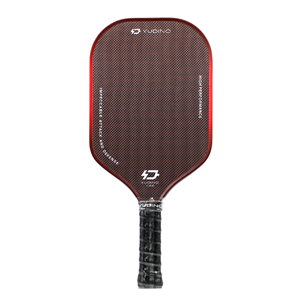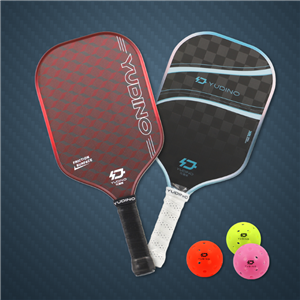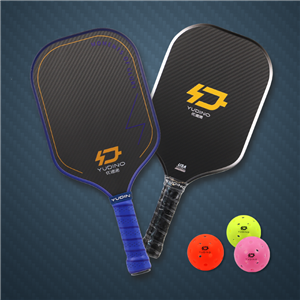
Best T700 Thin Core Pickleball Paddle for Competitive Players
Choosing the best T700 thin core pickleball paddle for competitive players is not just about material quality or price tag. For distributors, club owners, and private label brands, this decision directly impacts profitability, product adoption, customer satisfaction, return rates, and long-term brand reputation. This comprehensive procurement and evaluation guide equips you with practical criteria, data-driven recommendations, and real-world B2B insights to make an informed purchasing decision in 2026.
1. Understanding the Competitive Market for T700 Thin Core Pickleball Paddles
Competitive pickleball players and serious enthusiasts often demand different performance characteristics compared to recreational users. The T700 thin core pickleball paddle category addresses performance needs like spin potential, quick response, and power transfer. From a market perspective:
Competitive players prioritize performance over price
Clubs want durable paddles that survive heavy use
Distributors and brands need products that balance performance with resale margins
2. What Makes a Paddle “Competitive Grade”? (Key Procurement Criteria)
Before recommending specific products, it’s important to define what “competitive grade” means in procurement terms:
2.1 Material Grade: T700 Carbon Fiber
T700 carbon fiber provides superior stiffness, strength, and consistent response compared to standard 3K carbon paddles. In B2B procurement, ensure your supplier provides certified T700 material with traceable specifications to avoid mislabeled products.
2.2 Core Thickness and Structure
Competitive paddles typically use a thin core (13–14mm) design. This thin core increases responsiveness and power transfer, but requires precise manufacturing control.
2.3 Surface Texture
Surface texture influences spin and control. Competitive paddles typically use enhanced gritty surfaces to allow players significant spin generation without sacrificing control.
2.4 Weight Distribution and Balance
Competitive players demand rapid racket adjustments, requiring paddles with precise balance. Recommended weight range for this segment is typically 225–230g.
2.5 Durability Standards
Paddles used in tournaments and club training will face frequent use. Ensure suppliers can demonstrate durability testing results, such as repeated impact tests and edge guard strength validation.
3. Price Analysis: Competitive Paddle Procurement
Understanding the cost structure of competitive-grade paddles is critical for pricing strategy and margin planning.
| Paddle Type | Factory Price (500–1000 pcs) | OEM Price (Branding, Packaging) | Expected Resale Price |
| Standard 3K Paddle | $15–$30 | $20–$35 | $70–$120 |
| T700 Thin Core Paddle | $25–$45 | $30–$50 | $100–$180 |
The best T700 thin core pickleball paddles carry a higher base cost, but support higher tiers of resale pricing. The recommended profit margin for the competitive segment is typically 30–60% wholesale-to-retail.
4. Top Competitive-Level T700 Thin Core Paddle Products
Below are competitive-grade T700 thin core paddles that align with B2B procurement standards based on performance parameters, consistency, and brand acceptance.
4.1 PIKKL Hurricane Pro T700 Paddle
Material: T700 carbon fiber
Core: 14mm thin core polymer
Weight: 225–230g
Surface: Grit-enhanced spin surface
Competitive Value: Very high spin potential with balanced power
Procurement Value: Excellent choice for brands focusing on advanced players; strong resale appeal.
4.2 Selkirk Vanguard Pro T700 Paddle (Premium Tier)
Material: High-grade T700 carbon fiber
Core: Thin core optimized for power transfer
Weight: 226–231g
Surface: Tournament-level textured surface
Procurement Value: Trusted competitive paddle with established player recognition; higher wholesale cost reflects brand positioning.
4.3 Taíno Carey 3K + T700 Hybrid Paddle
Material: T700 surface with hybrid 3K layers
Core: 14mm thin core
Weight: 225g
Surface: Grit finish for spin
Procurement Value: Moderate cost with near T700 performance; good transitional product if full T700 cost is prohibitive.
4.4 VEVOR T700 Carbon Paddle (Value Performance)
Material: T700 carbon fiber
Core: 14mm thin core
Weight: 225g
Surface: Textured finish
Procurement Value: Best value entry into competitive T700 segment for price-sensitive markets; slightly lower performance ceiling.
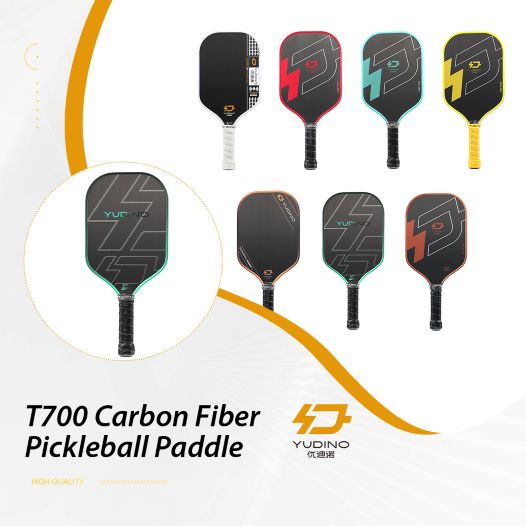
5. Performance Comparison Across Competitive Options
Detailed performance helps differentiate purchasing decisions:
| Model | Spin | Power | Control | Durability | Price Tier | B2B Suitability |
| PIKKL Hurricane Pro | High | High | High | High | Mid-High | Strong |
| Selkirk Vanguard Pro T700 | Very High | Very High | Very High | Very High | Premium | Excellent |
| Taíno Carey Hybrid | Medium-High | Medium | High | High | Mid | Good |
| VEVOR T700 Carbon | High | High | Medium | Medium-High | Mid | Good |
For competitive pickleball paddle procurement, Selkirk Vanguard Pro and PIKKL Hurricane Pro represent the best intersection of performance and brand value. Hybrid and entry-level T700 paddles are suitable for incremental adoption strategies.
6. Supplier Evaluation Criteria for Competitive Paddles
Choosing the right supplier is as important as choosing the paddle model. B2B buyers should assess the following:
6.1 Material Verification
Ask for material certificates showing T700 carbon fiber specifications
Request test reports showing tensile strength
6.2 Manufacturing Tolerance
Ensure core thickness tolerance stays within ±0.5mm
Weight tolerance ±5g ensures consistency for performance products
6.3 Consistency in Bulk Production
Ask for pre-production samples
Conduct third-party inspections if MOQ is large
6.4 Defect Rate Expectations
3% or less defect rate is a good benchmark
Higher defect rates increase inventory risk
7. Branding & OEM Customization for Competitive Paddles
Competitive pickleball paddles often require customization to resonate in competitive markets.
7.1 Logo and Graphics
UV printing or heat transfer preferred for durability
Keep designs aligned with target player preferences
7.2 Packaging Strategy
Individual paddle tubes or premium boxes elevate perceived value
Packaging should include technical specs and brand story
7.3 MOQ Considerations
Minimum Order Quantities for OEM paddles typically start at 300–500 pieces
Larger MOQs reduce unit cost, but balance with inventory turnover
Recommendation: Start with smaller OEM runs for launch and scale after market validation.
8. Risk Assessment and Cost Management
Competitive paddle procurement involves financial and market risk considerations:
8.1 Inventory Carrying Cost
High-quality competitive paddles tie up more capital per unit. Ensure robust sales channels before large MOQs.
8.2 Seasonal Demand
Tournament seasons influence buying spikes; plan inventory accordingly.
8.3 Pricing Pressure
Competitive paddle pricing must avoid undercutting performance perception; pricing too low can devalue products.
9. Profit Margin Analysis for B2B Buyers
Expected profit margins in competitive paddle segment:
Cost: $25–$50 per paddle
Wholesale Price: $55–$90
Retail Price: $100–$180
Margin breakdown:
| Cost Level | Wholesale | Margin % |
| $25 | $55 | 55% |
| $35 | $70 | 50% |
| $45 | $90 | 50% |
Competitive paddles maintain strong margin potential if priced appropriately for target markets.
10. Packaging and Fulfillment Strategies
To maximize sales performance:
Bundle competitive paddles with accessories (grips, bags)
Use tiered pricing (standard vs premium packaging)
Offer seasonal promotions tied to tournaments
These approaches increase average transaction value and customer lifetime value.
11. Competitive Buyer Profile Mapping
Match paddle models to buyer categories:
| Buyer Type | Recommended Paddle | Strategy |
| High-end distributor | Selkirk Vanguard Pro T700 | Focus on brand prestige |
| Mid-tier retailer | PIKKL Hurricane Pro | Balanced cost/performance |
| Price-sensitive market | VEVOR T700 | Value-oriented |
| Mixed catalog brand | Taíno Carey Hybrid | Transitional product |
12. Conclusion: Strategic Selection for Competitive Pickleball Paddles
Choosing the best T700 thin core pickleball paddle for competitive players requires balancing performance, cost, customization, and inventory strategy. B2B buyers should:
Prioritize material verification and manufacturing tolerance
Use a tiered product lineup to cover different performance segments
Align pricing with wholesale and retail strategies
Validate demand before large MOQs
The T700 thin core category offers strong differentiation and margin potential, particularly for brands focused on competitive and performance-driven customers.
13. Next Steps: Request Tailored Procurement Support
To finalize a purchasing decision:
Obtain sample evaluations for shortlisted models
Request multi-tier pricing quotes based on order size
Evaluate OEM artwork and packaging options
Plan logistics and import cost analysis
Contact our team to get personalized recommendations and quotation packages tailored to your business goals.