How a USA Pickleball Certification Report Helps Verify Pickleball Paddle Quality
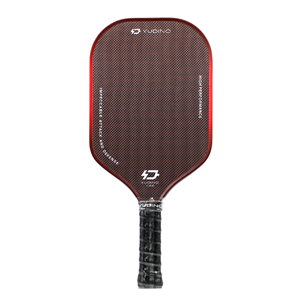
The Friction V4 paddle recently completed USA Pickleball certification testing and received a compliant result. As a manufacturer involved in OEM and ODM pickleball paddle projects, we regularly review certification reports because many distributors, private-label brands, and sports equipment importers ask the same question:
What does a USA Pickleball certification report actually tell us about a paddle?
The answer goes far beyond a simple pass-or-fail result. A certification report contains valuable information about paddle dimensions, surface characteristics, structural performance, and manufacturing consistency. Understanding these details can help buyers make more informed sourcing decisions.
Why Do We Pay Close Attention to USAP Certification Reports?
Many buyers assume certification only matters for tournament eligibility. In our experience working with international customers, certification reports also provide an independent way to evaluate product consistency.
Unlike marketing materials, certification testing is conducted by an independent laboratory following a defined testing standard. This allows buyers to compare measurable performance data rather than relying solely on supplier claims.
For brands entering the North American market, understanding these reports can also help reduce compliance risks during product development.
What Did the Friction V4 Certification Report Show?
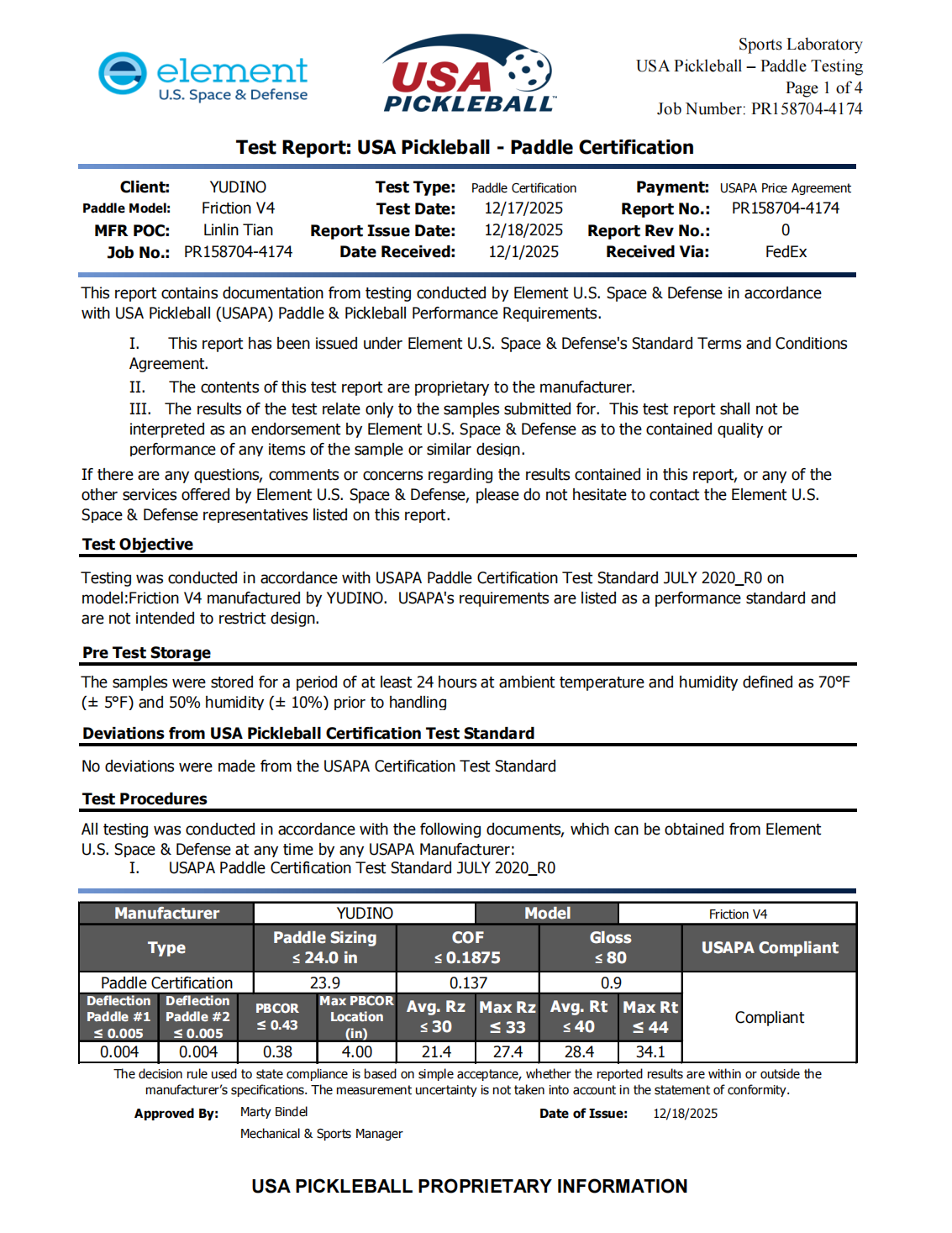
According to the certification report issued by Element U.S. Space & Defense, the paddle successfully met the requirements of the USA Pickleball Certification Test Standard.
Several categories were evaluated, including:
Paddle dimensions
Coefficient of friction (COF)
Surface roughness
Deflection performance
Overall compliance
While the final result was listed as "Compliant," the underlying test data provides a more complete picture of the paddle's performance characteristics.
What Can Buyers Learn from the Paddle Dimensions?
The report measured the paddle at:
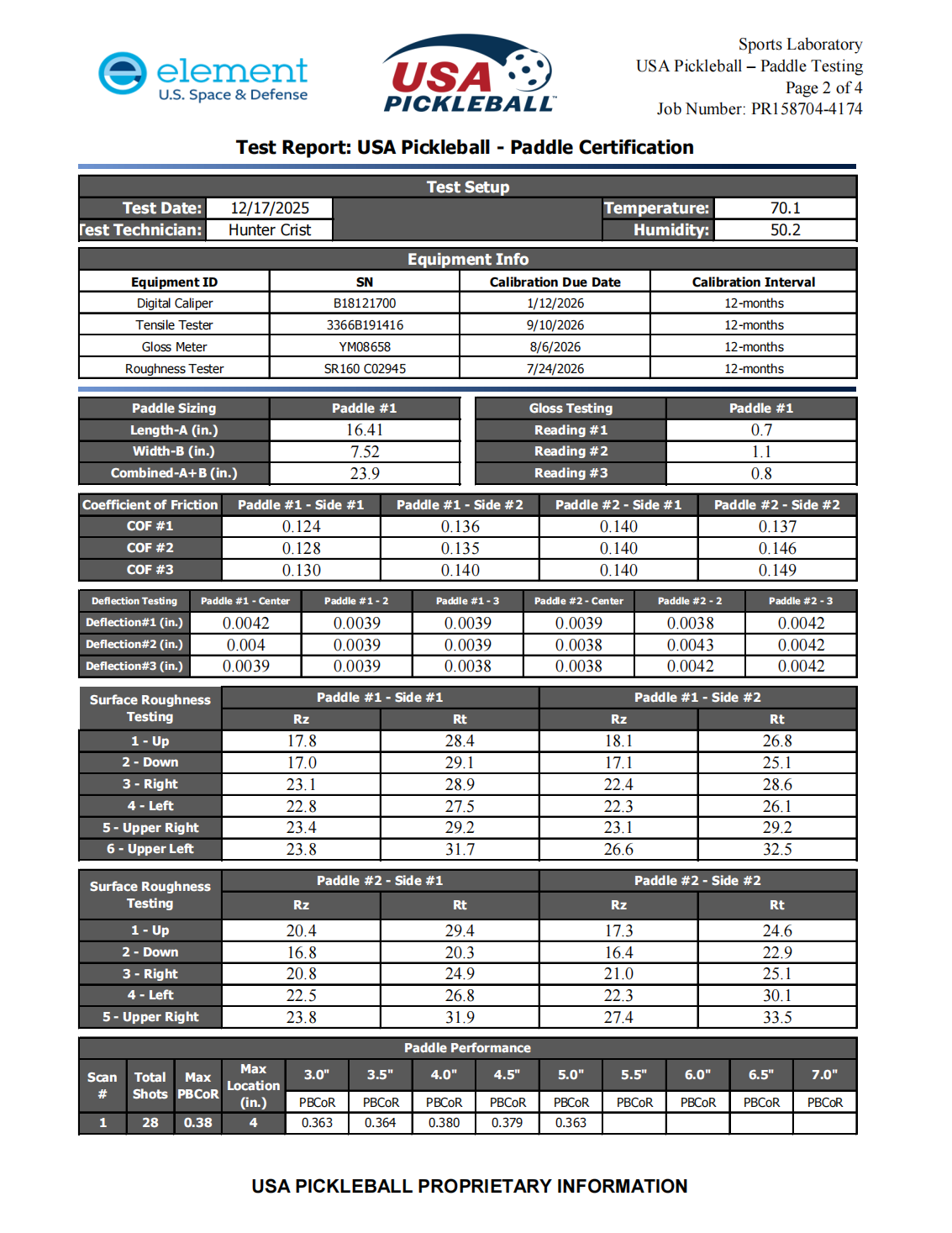
Length: 16.41 inches
Width: 7.52 inches
Combined length and width: 23.93 inches
This may seem like a simple specification check, but it tells us something important.
USA Pickleball limits the combined paddle length and width to 24 inches. At 23.93 inches, the Friction V4 remains within the allowable range while maximizing the available hitting surface.
From a manufacturing perspective, dimensional consistency is often overlooked. Maintaining precise dimensions across large production runs requires stable tooling, controlled processes, and consistent quality inspection procedures.
For buyers evaluating suppliers, dimensional accuracy can be an indicator of overall manufacturing discipline.
Why Is Coefficient of Friction One of the Most Important Numbers in the Report?
The certification report recorded coefficient of friction (COF) values ranging approximately from 0.124 to 0.149 across different testing locations.
For many paddle buyers, this is one of the most meaningful sections of the report.
Surface friction influences how the paddle interacts with the ball during contact. While higher friction can contribute to spin generation, excessive friction may exceed allowable limits established by governing bodies.
The fact that all measured values remained within the certification standard indicates that the paddle surface achieved a balance between performance and compliance.
For private-label brands, this is particularly important because surface technology has become one of the most closely scrutinized aspects of modern paddle design.
What Does Surface Roughness Tell Us About Manufacturing Quality?
The report also included surface roughness measurements taken from multiple locations across both paddle faces.
Many buyers focus only on the average roughness value. We often pay closer attention to consistency between test locations.
Why?
Because uniform roughness usually indicates a more controlled manufacturing process.
Large variations can sometimes suggest inconsistencies in surface treatment, material application, or finishing processes.
In this case, the recorded measurements remained relatively consistent across the tested areas, suggesting a stable surface finishing process.
For distributors and brands, consistency between production batches is often more valuable than a single impressive specification.
Why Does Deflection Testing Matter?
Deflection testing evaluates how much the paddle face flexes under a controlled load.
From a player's perspective, deflection can influence feel and response.
From a manufacturer's perspective, deflection testing helps verify structural consistency.
When reviewing certification reports, we often compare deflection values against design objectives established during product development.
Consistent deflection measurements typically indicate that materials, bonding processes, and core construction are being controlled effectively.
For buyers, this provides another layer of confidence that production quality is being maintained.
What Does This Report Tell Us About Manufacturing Consistency?
One of the most valuable aspects of certification testing is that it evaluates multiple locations on the paddle rather than a single point.
Looking at the Friction V4 report as a whole, the data suggests:
Dimensions remained within certification requirements.
Surface friction values stayed within approved limits.
Roughness measurements showed reasonable consistency.
Deflection results met certification standards.
The paddle achieved an overall compliant result.
For us, these findings are often more important than the certification badge itself.
A single compliant result is good. Consistent measurements across multiple testing categories are even more meaningful because they provide evidence of manufacturing control.
What Should Buyers Look for Beyond Certification?
A USA Pickleball certification report is an important reference, but it should not be the only factor when selecting a paddle supplier.
When evaluating manufacturers, we recommend reviewing:
Production capabilities
Carbon fiber material specifications
Quality control procedures
OEM and ODM development capabilities
Batch-to-batch consistency
Export experience
Certification confirms compliance with a testing standard. Long-term manufacturing reliability depends on how consistently that level of quality can be reproduced.
Our Perspective as a Pickleball Paddle Manufacturer
As a company involved in custom pickleball paddle manufacturing, we view certification reports as more than a regulatory requirement.
They provide objective feedback about product design, manufacturing consistency, and process control.
The Friction V4 certification report demonstrates that independent testing can provide valuable information not only for tournament organizers, but also for distributors, importers, and private-label brands seeking reliable products.
For buyers comparing suppliers, the most important question is not simply whether a paddle passed certification. It is whether the manufacturer can consistently produce paddles that continue to meet those standards over time.
References
USA Pickleball Equipment Standards
USA Pickleball Approved Paddle Database
Element Materials Technology Testing Services