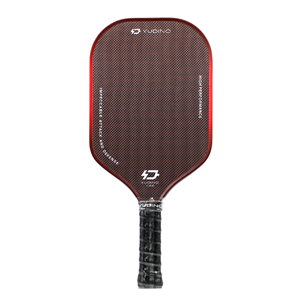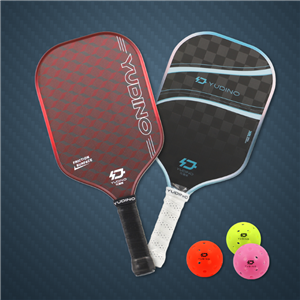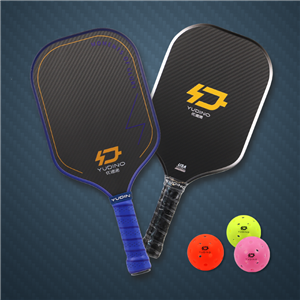
carbon fiber pickleball paddle
-
Everything you need to know about choosing, using, and sourcing the right carbon fiber paddle to maximize spin — from the material science to the on-court strategy.
-
The core thickness decision that most players get wrong — and a complete guide to getting it right for your game.
-
The definitive technical guide to T700 carbon fiber paddles — what the grade means, why it matters, and how to choose the right T700 paddle for your game.
-
Everything players, coaches, and buyers need to know about raw carbon fiber construction — the material redefining what a pickleball paddle can do.
-
A complete technical comparison for players, coaches, and buyers who want to make the right material decision — the first time.
-
A few years ago, the question "can I get a genuinely good carbon fiber pickleball paddle for under $100?" had an honest answer: not really. The sub-$100 category was dominated by paddles that used the phrase "carbon fiber" loosely — often T300-grade fiber with thick protective coatings that negated most of the material's performance benefits, assembled with basic adhesive construction that developed dead spots within months of regular play.
-
If you are new to pickleball and shopping for your first paddle, you have probably already noticed that carbon fiber is everywhere — in product listings, in YouTube reviews, in conversations at the court. And the question that naturally follows is a reasonable one: as a beginner, should you start with a carbon fiber pickleball paddle, or is it overkill for someone still learning the basics?
-
This guide gives you a systematic, step-by-step framework for making the selection correctly. Each step addresses one of the variables that actually determines whether a paddle works for you — in plain language, with specific recommendations rather than vague guidance. By the end, you will know exactly what to look for, what to avoid, and how to make a confident, informed decision.
-
Let's answer the question directly: yes, for most players above the beginner level, a carbon fiber pickleball paddle is worth it. But that answer comes with important context that most reviews skip over entirely. "Worth it" depends on who you are, how you play, and what you are comparing the carbon fiber paddle against. A $180 carbon fiber paddle is not worth it for a player who has been on a court twice. A $60 T700 carbon fiber paddle is absolutely worth it for a 3.0-rated player who has been grinding with a wood composite paddle for six months and wondering why their drops keep sailing long.
-
This guide cuts through the noise. It covers what actually separates a high-performing carbon fiber pickleball paddle from an average one, which specifications matter for different playing styles, and what the top-performing options look like across budget, skill level, and court role. Whether you are buying your first serious paddle or upgrading after years of play, this review gives you the technical foundation to make the right choice.