carbon fiber pickleball paddle
-
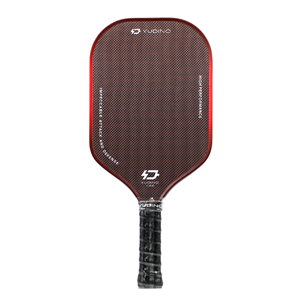
A carbon fiber pickleball paddle may look simple from the outside, but its final performance depends on a series of manufacturing processes. The carbon fiber face, honeycomb core, bonding system, paddle shape, weight distribution, edge construction, surface treatment, and final inspection all influence the finished paddle.
-
Fiberglass vs carbon fiber pickleball paddle — which is right for beginner players? A B2B sourcing breakdown covering specs, margins, and stocking strategy. Yudino factory-direct.
-
Comparing 18K, 12K, and 3K carbon fiber weaves for pickleball paddles? This guide covers performance differences, manufacturing implications, and what each weave means for bulk orders and private label sourcing.
-
Carbon fiber is reshaping the performance pattern of Peak rackets and becoming the preference of professional players. Its advantages are direct feedback, light weight and high strength, easy manufacturing and rotation, and fatigue resistance. The combination of T700 carbon fiber and a thickness of 16mm takes into account stability and ball control. For example, YUDINO certified rackets have been widely used in professional events such as PPA and APP.
-
Introduction You've invested in a carbon fiber paddle. You've spent weeks dialing in your spin game, developing your third-shot drop, and building confidence with a piece of equipment that genuinely feels like an upgrade. Then the day before a sanctioned tournament, someone raises the question you suddenly realize you've never seriously investigated: Is your paddle actually legal to play with?
-
Introduction Walk into any serious pickleball conversation—on Reddit, in a Quora thread, or at the court between games—and the carbon fiber versus Kevlar debate surfaces fast. Both materials have passionate advocates. Both have real, documented performance advantages. And both get misrepresented constantly by sellers who prioritize marketing language over material science.
-
Introduction You just dropped $120—maybe even $250—on a carbon fiber pickleball paddle. You've put in the hours on the court, the muscle memory is building, and the spin performance feels exactly right. Then one day you pick it up and notice the surface feels slick. Your dinks are sailing. Your third-shot drops have lost their bite. What happened?
-
Introduction: How Long Should a Paddle Actually Last? Ask ten pickleball players how long a paddle should last, and you will get ten different answers. "Mine lasted two years." "I've had mine for four seasons, and it's still perfect." "My last one was dead in eight months." The range is real, and the variance is not random — it is the direct result of how paddles are built, how they are used, and critically, how they are cared for between sessions.
-
Introduction: The Detail That Changes Everything You can spend $200 on the most advanced carbon fiber pickleball paddle on the market — aerospace-grade materials, precision-woven surface texture, thermally pressed polymer honeycomb core — and still play below your potential if the grip size is wrong. Grip size is the most underestimated fit variable in pickleball. Unlike tennis, where decades of mainstream coaching have made grip sizing a standard onboarding step for every beginner, pickleball is still young enough that most players choose paddles based on material, price, and surface texture — and pick whatever grip size happens to be in stock. The result is predictable: hand fatigue that sets in by the third game, a creeping loss of control on dink exchanges, wrist strain that gets blamed on technique rather than equipment, and eventually elbow pain that forces rest.
-
Everything you need to know about choosing, using, and sourcing the right carbon fiber paddle to maximize spin — from the material science to the on-court strategy.